Everything About Paint Protection Film: Understanding Its Essential Role in Lorry Treatment
Paint Protection Film (PPF) has actually ended up being a crucial facet of automobile care in recent times. This clear guard serves to secure an auto's outside from common threats such as scratches and environmental damage. Recognizing the mechanics behind PPF and its various advantages is essential for lorry proprietors. Many continue to be uninformed of the different kinds available and the installment procedure involved. What aspects should one think about before applying PPF to their lorry?
What Is Paint Protection Film?
Paint protection film (PPF) is a transparent, durable layer created to shield an automobile's paint from damages. This innovative material, usually made from polyurethane, is engineered to resist scratches, chips, and impurities, making sure the lorry maintains its visual appeal over time. PPF can be applied to numerous surface areas, including the hood, fenders, and bumpers, giving targeted protection where it is most needed.The film is not only resistant to put on and tear yet additionally provides a self-healing building; small scrapes can vanish with direct exposure to warmth. In addition, PPF is suitable with various vehicle coatings and can be personalized when it come to density and gloss degrees. Its application has come to be significantly popular among auto fanatics and daily motorists alike, as it maintains the car's worth and look. By buying paint protection film, owners can appreciate an excellent exterior while lessening upkeep efforts.
Just How Does Paint Protection Film Job?
Paint protection film functions by producing a durable barrier that safeguards surface areas from square one and various other physical damage. Additionally, it provides securing versus harmful UV rays, which can fade and deteriorate paint with time. Several contemporary films likewise incorporate self-healing modern technology, allowing small abrasions to disappear with warmth exposure.
Protection From Scratches
Protecting an automobile's outside from the ground up is an essential concern for lots of proprietors, and paint protection film (PPF) provides a trusted service. This clear, polycarbonate urethane film is developed to adhere to the lorry's surface, producing a barrier that absorbs impacts from roadway particles, branches, and various other potential threats. The film's elasticity allows it to extend and adapt numerous shapes, making it ideal for different car designs. SpeedEFX Clear bra Centennial. Additionally, PPF is self-healing; minor scratches can go away with warmth direct exposure, keeping the car's look. By functioning as a durable shield, paint protection film properly decreases the threat of unsightly blemishes, protecting the visual stability and resale worth of the lorry for years to find
UV Ray Protecting
An automobile's exterior encounters numerous dangers, consisting of damaging UV rays that can fade paint and break down surfaces in time. Paint protection film (PPF) functions as a powerful barrier against these hazardous ultraviolet rays. Made from advanced polymer materials, PPF blocks a considerable percent of UV radiation, avoiding it from permeating the vehicle's clear layer and paint layers. This securing result not just protects the vehicle's color and coating yet also extends the life-span of the paint. By efficiently soaking up and showing UV radiation, paint protection film minimizes the danger of oxidation and staining. Car owners that invest in PPF can enjoy boosted aesthetic appeals and raised resale worth, knowing their auto is safeguarded versus the unfavorable impacts of sunlight direct exposure.
Self-Healing Innovation

Benefits of Paint Protection Film
Paint Protection Film (PPF) provides many advantages for automobile owners looking for to keep their vehicle's look and worth. One of the main benefits is its ability to protect the car's paint from square one, chips, and environmental pollutants. This layer of protection helps preserve the factory surface, protecting against costly painting or describing. Additionally, PPF is immune to UV rays, which can create fading in time, thus keeping the auto's visual appeal.Another significant benefit is the film's self-healing homes; minor scrapes can go away with heat direct exposure, making sure the lorry continues to be visually immaculate. PPF is also easy to keep, requiring just normal cleaning to maintain it looking fresh. In addition, using paint protection film can boost resale worth by demonstrating that the vehicle has actually been well looked after. Generally, PPF is a wise investment for those dedicated to protecting their vehicle's problem and prolonging its life-span.
Different Kinds of Paint Protection Film
Different kinds of Paint Protection Film (PPF) accommodate various needs and choices amongst automobile proprietors. Clear bra films are amongst the most preferred choices, providing a clear layer that secures the vehicle's paint without changing its appearance. These films are suitable for those who wish to maintain the original appearance of their cars and truck while guarding it from square one and road debris.Another kind is self-healing film, which features a special polymer that can fix minor scratches and swirl marks when revealed to warm. This kind provides enhanced long life and visual allure. In addition, tinted PPF is offered for those wanting to personalize the look of their automobile, permitting for an one-of-a-kind finish while still offering protection.Lastly, textured films are made for details surface areas, such as matte finishes, guaranteeing that the protective top qualities do not jeopardize the automobile's layout. Each sort of PPF offers distinct functions, boosting both protection and customization.
Installment Refine for Paint Protection Film
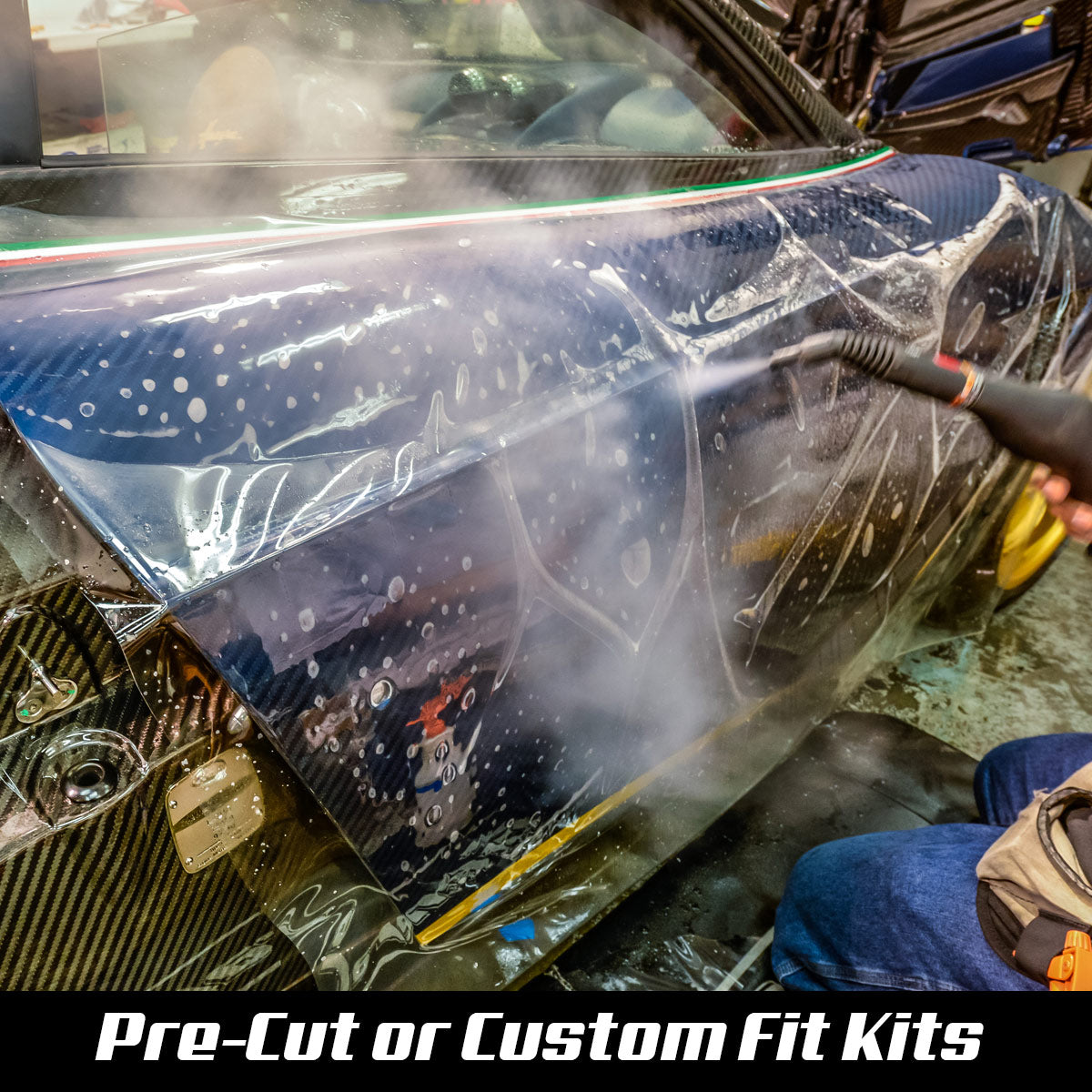
The installment procedure for paint protection film begins with careful surface area preparation to guarantee optimal attachment. This consists of cleansing, brightening, and potentially correcting the car's paint to eliminate any kind of flaws. Adhering to prep work, various application techniques are utilized to efficiently use the film without bubbles or creases.
Surface Preparation Tips
Before applying paint protection film, meticulous surface prep work is important to ensure optimal attachment and longevity of the film. This procedure starts with a complete cleaning of the car's surface area to eliminate dust, crud, and contaminants. A high-quality automobile soap ought to be used, complied with by washing and drying out with a microfiber towel to prevent scratches. Next off, any kind of existing wax or sealers have to be removed, frequently utilizing an isopropyl alcohol service to assure an entirely bare surface. Examining for flaws such as scrapes or swirl marks is crucial, as these can affect the film's look and efficiency. Lastly, careful masking of surrounding areas helps protect them during the installment procedure, guaranteeing a clean and precise application.
Application Techniques Explained
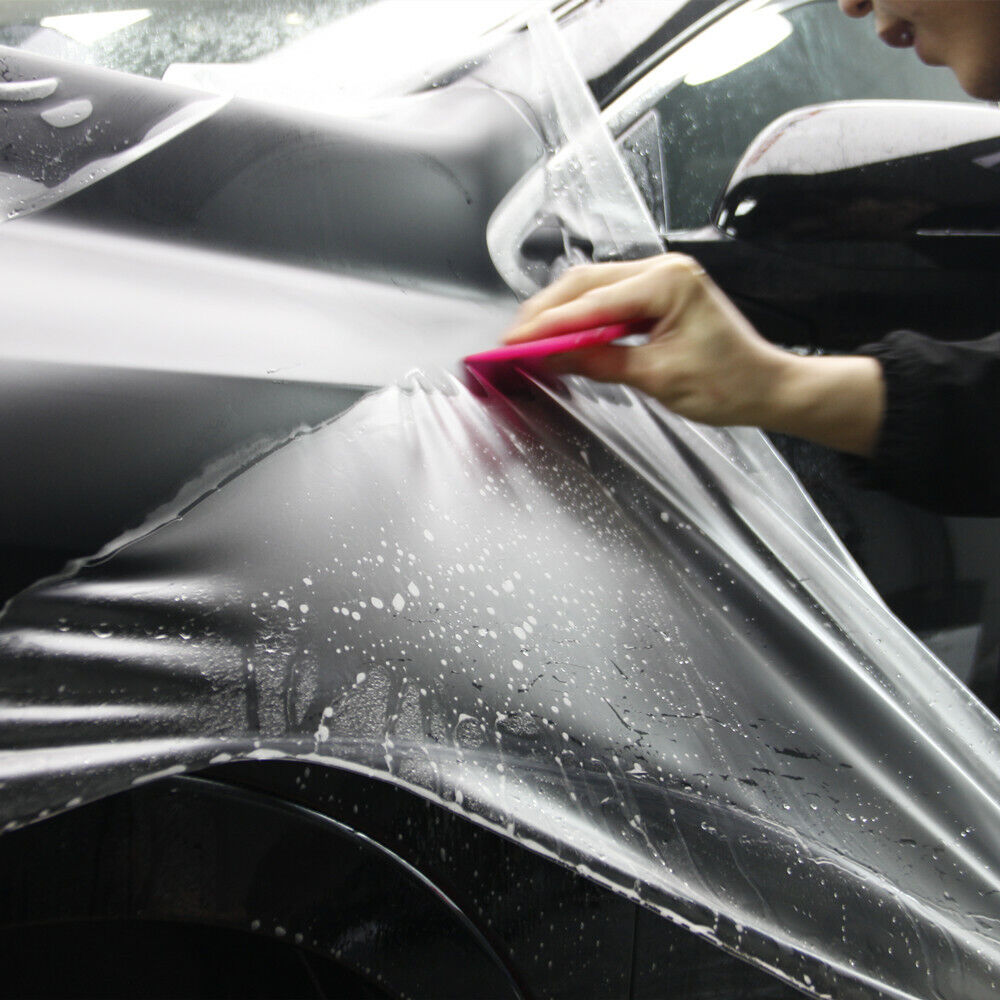
Understanding the application techniques for paint protection film is important for achieving a perfect finish. The setup procedure begins with mindful placement of the film on the vehicle's surface, making sure accurate placement over the desired location. When placed, an option of water and soap is frequently utilized to facilitate repositioning and bubble removal. Smooth, controlled stress is used utilizing a squeegee, beginning from the center and functioning outward to get rid of air pockets. Warmth might be applied with a heat gun to enhance bond and help in contouring around curves and sides. After reducing excess film, the sides are sealed to avoid training. Appropriate strategy and focus to detail throughout installation inevitably boost the film's resilience and visual appeal.
Upkeep and Treatment for Paint Protection Film
Proper upkeep and care are vital for making sure the long life and performance of paint protection film. Routine cleansing is important; it is advised to wash the lorry with a pH-balanced, non-abrasive soap to avoid any kind of damage to the film. Making use of soft microfiber cloths for drying out will help avoid scratches.Avoiding automatic cars and truck cleans with brushes is suggested, as these can lift the edges of the film. Additionally, it is necessary to quickly get rid of pollutants such as bird droppings, tree sap, and road tar, as they can break down the film over time.For ideal protection, waxing the film every couple of months can boost its shine and toughness, however care needs to be required to utilize waxes that are safe for clear films. Regular assessments for any kind of signs of lifting or bubbling ought to also be conducted, enabling timely repair work to preserve the honesty of the protection.
Often Asked Questions
How Much Time Does Paint Protection Film Commonly Last?
The durability of paint protection film normally ranges in between 5 to 10 years. Elements influencing its life-span consist of ecological conditions, maintenance techniques, and the high quality get more info of the film applied, influencing total performance in securing the automobile's surface.
Can Paint Protection Film Be Gotten Rid Of Without Harming the Paint?
Removing paint protection film can be done securely, commonly without harming the underlying paint. Successful removal depends on the film's age, application technique, and the surface problem, needing mindful technique to assure paint stability.
Is Paint Protection Film Visible Once Set Up?
When installed properly, paint protection film is developed to be nearly unseen. SpeedEFX Clear bra Centennial. Some individuals may observe a small sheen or texture difference, depending on the vehicle's paint and the film's top quality.
Does Paint Protection Film Protect Versus UV Rays?
The concern of whether paint protection film safeguards against UV rays emerges regularly. Without a doubt, this film is created to shield the vehicle's paint from harmful ultraviolet radiation, aiding preserve the car's appearance gradually.
Will Paint Protection Film Impact My Automobile's Resale Value?
The effect of paint protection film on a vehicle's resale value can be favorable, as it maintains the paint's problem. Nevertheless, possible purchasers may have differing viewpoints about its visibility, influencing overall marketability and viewed worth.